
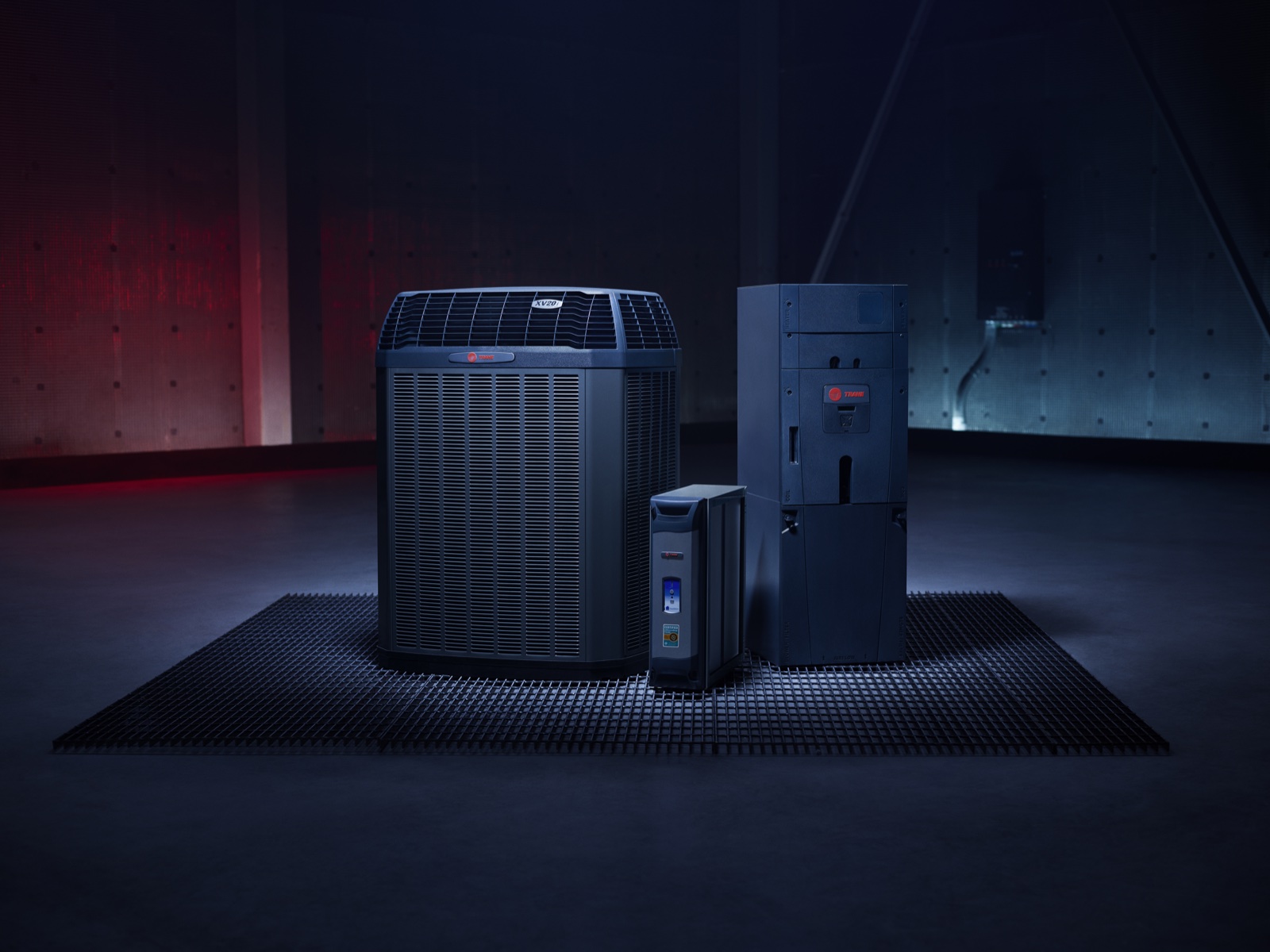
For many Colorado homes, the most practical heat pump project is not a forced full-electric conversion. It is replacing an aging air conditioner with a cold-climate heat pump and keeping a gas furnace as backup.
That setup is usually called dual fuel. The heat pump handles cooling and a large share of the heating season. The furnace stays available for very cold weather, high electric-rate periods, unusual comfort needs, or homes where the ductwork and electrical system are not ready for full electric heat.
Some homeowners are told full electrification is the only serious option. In many existing Boulder County and Front Range homes, the better first step is a dual-fuel design.
Why this matters now
The rebate context changed in 2026. Colorado’s HEAR Single-Family Program closed for Region 1, which includes Boulder County and much of the Front Range, so homeowners should not choose a system assuming a large HEAR heat pump rebate will offset the cost of a full-electric conversion.
At the federal level, DOE’s Program Notice 26-2, effective May 29, 2026, made one point especially relevant to furnace and AC homes: adding a heat pump does not have to mean throwing away a working furnace. DOE explicitly allows homes to retain existing fossil-fuel HVAC equipment when installing a heat pump, even if the heat pump will not become the primary heating source.
The practical takeaway for furnace and AC homes
Most existing forced-air homes in Boulder County already have a furnace, ductwork, thermostat wiring, gas service, and an outdoor AC condenser. When the AC is due for replacement, a heat pump can often use the same basic cooling-system location while adding efficient heating.
That creates a practical upgrade path:
- Replace the old AC with a cold-climate heat pump.
- Keep the existing furnace if it is safe, compatible, and worth keeping.
- Set up controls so the heat pump runs when it is efficient and comfortable.
- Use the furnace only when backup heat makes sense.
This does not eliminate gas use overnight. It does reduce furnace runtime, preserves familiar backup heat, and gives the homeowner more flexibility than a basic AC replacement.
Dual fuel vs full electric
Neither design is automatically right. The tradeoffs are different.
| Question | Dual-fuel heat pump | Full-electric heat pump |
|---|---|---|
| Backup heat | Gas furnace remains available. | Usually electric resistance strips or no backup, depending on design. |
| Electrical upgrades | Often lower risk because the furnace remains backup. | More likely to require panel, wiring, or service upgrades. |
| Cold weather comfort | Furnace can cover extreme cold or high load. | Heat pump must be sized and commissioned to cover design conditions. |
| Operating cost | Controls can choose heat pump or gas based on conditions and rates. | Depends heavily on electric rates, home efficiency, and backup heat use. |
| Upfront disruption | Often closer to an AC replacement project. | Can involve more electrical and ductwork changes. |
| Future flexibility | Keeps both energy options available. | Removes gas heating if the furnace is abandoned or removed. |
For a newer furnace, dual fuel is often the more conservative choice. Throwing away useful equipment can add cost without solving a comfort problem.
For an old or unsafe furnace, the decision is more open. Some homes should replace the furnace with a new compliant gas furnace and add a heat pump. Other homes may be ready for full electric. The difference comes down to load calculation, ducts, electrical capacity, owner goals, and budget.
Why insulation and air sealing matter
Insulating and sealing a home before upgrading heating and cooling is sound advice whether the system is dual fuel or full electric.
Heat pumps are efficient, but they are not magic. A leaky or under-insulated home needs more heat on cold days. That can push equipment sizing up, increase electrical requirements, make duct limitations more obvious, and increase backup heat use.
Before recommending a system, we want to understand the house:
- How much heat the home loses on a cold day.
- Whether the ductwork can move enough air quietly.
- Whether the return air is adequate.
- Whether the electrical panel can support the equipment.
- Whether the furnace is safe and worth keeping.
- Whether insulation or air sealing should happen first.
The equipment choice should follow the house, not the other way around.
When full electric still makes sense
Full electric can be a good answer. It just should not be treated as the only serious answer.
It may make sense when:
- The home is new, tight, and designed around heat pump heating.
- There is no gas service.
- The existing furnace is at the end of its life.
- The electrical panel and wiring can support the added load.
- The homeowner has solar or a strong preference to remove gas appliances.
- The ductwork or zoning plan supports the required airflow.
- The budget includes any needed envelope, electrical, and backup-heat work.
In those homes, a well-designed cold-climate heat pump can be a strong system. The mistake is assuming every older furnace and AC home should make that leap in one project.
How we evaluate the right setup
At KJ Thomas Mechanical, we usually start with the practical questions first.
Is the furnace safe? Is the AC actually due for replacement? Does the homeowner want lower gas use, lower operating cost, better cooling, carbon reduction, fewer future surprises, or all of those things? Is the house comfortable now? Is the ductwork sized for heat pump airflow? Are rebates still available for the specific scope?
From there, the options usually fall into a few buckets:
- AC replacement only: simplest, but misses the chance to add efficient heating.
- Heat pump with existing furnace: often the best first step when the furnace is newer or still reliable.
- Heat pump with new gas furnace: useful when both systems are old and the homeowner wants dependable dual fuel.
- Full-electric heat pump: good for the right home, but it needs to be designed honestly.
The goal is not to win an argument about gas versus electric. The goal is to install a system that fits the home, keeps people comfortable, qualifies for the rebates that are actually available, and does not create avoidable cost.
The bottom line
For many Boulder County homeowners, the smartest move is not ripping out a working furnace. It is turning the next AC replacement into a heat pump upgrade and keeping the furnace available for backup.
That is a practical way to reduce fuel use, improve cooling, add heating flexibility, and avoid forcing a full-electric project before the home is ready.